Put your money where your house is. Shop local. Advertise local.
In good times and bad times, local advertisers turn to their local newspapers to sustain and grow their businesses. Newspapers have an unwavering commitment to serving and supporting their readers and the businesses that sustain those communities.
Agriculture
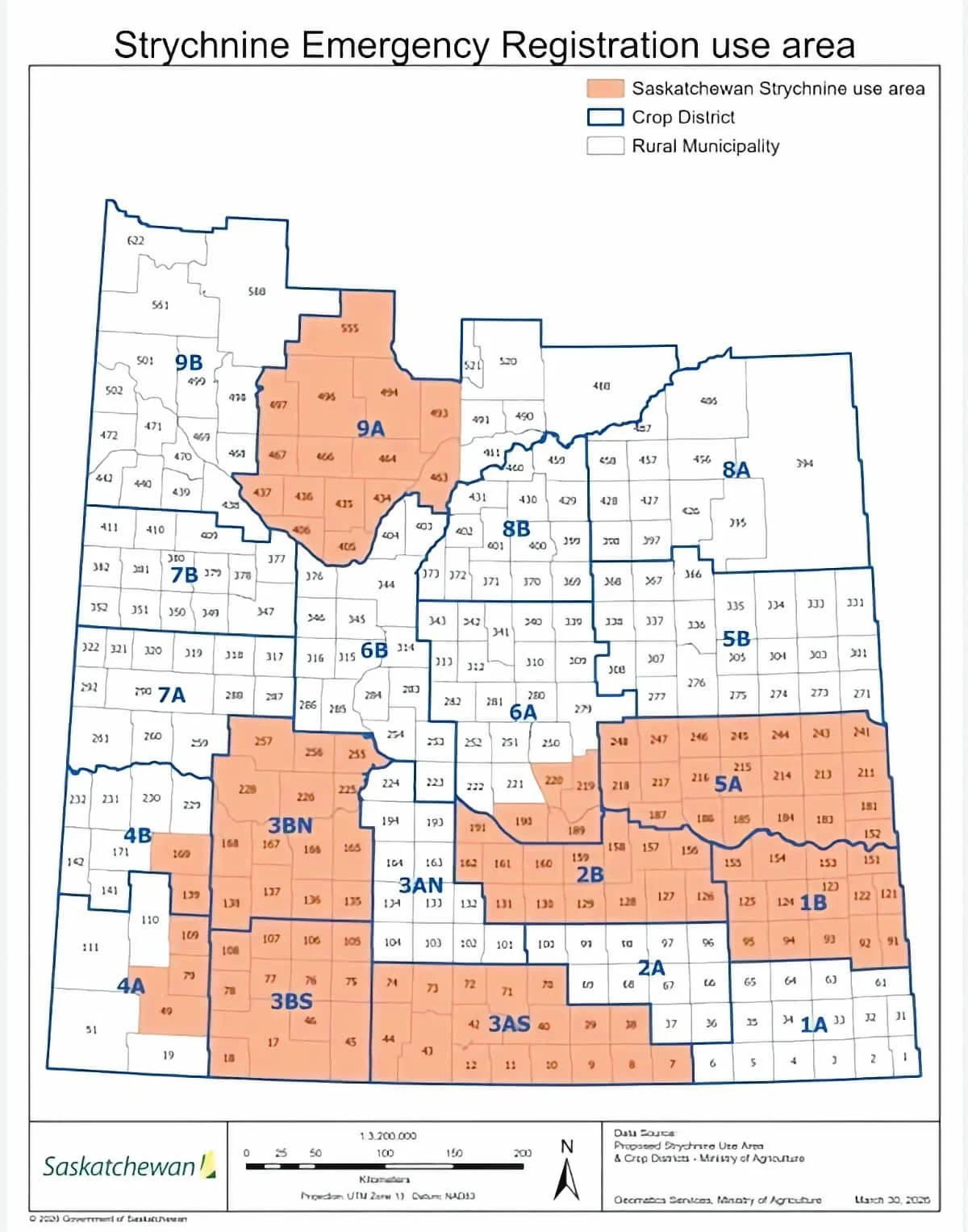
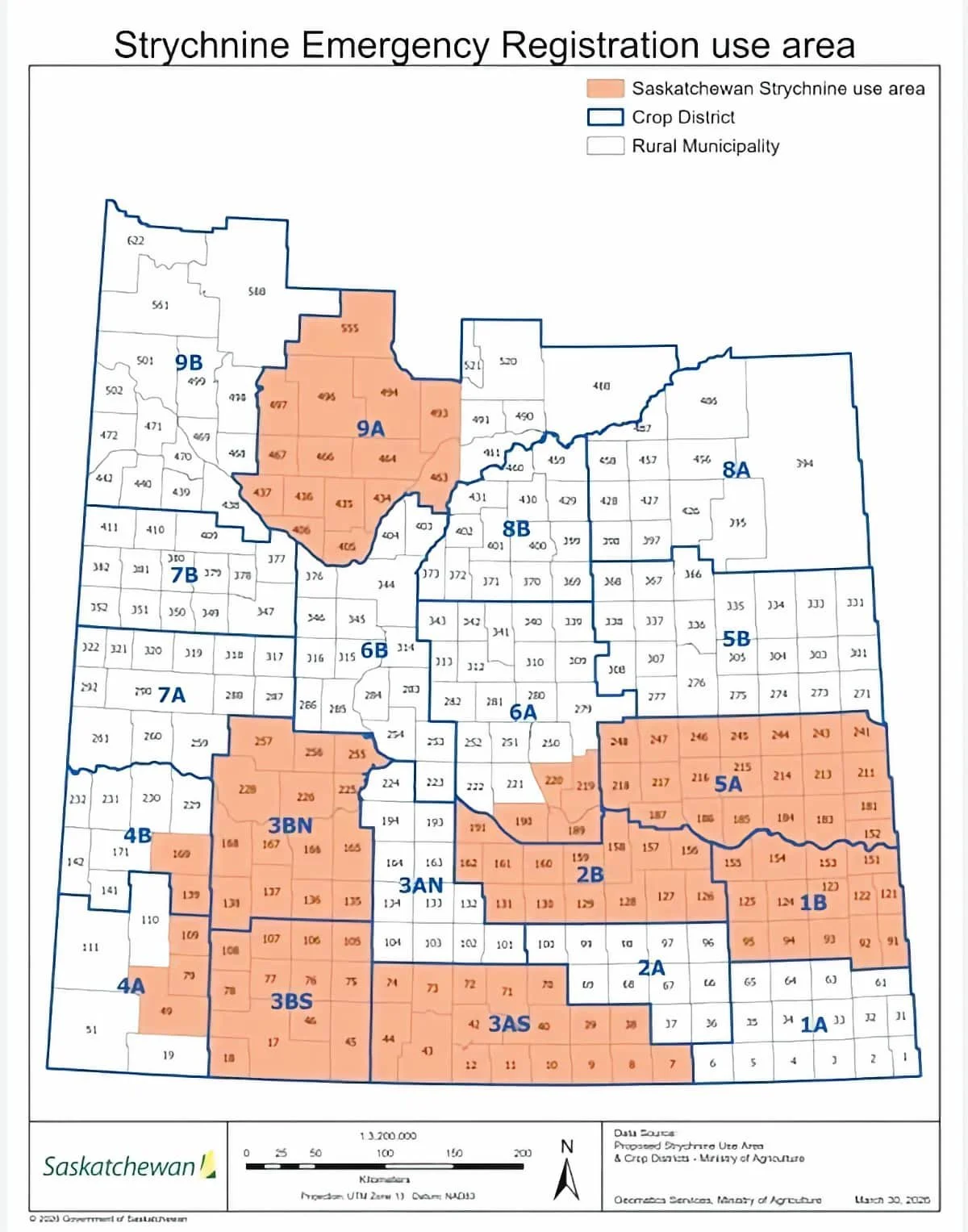
Farmers across most of west-central Saskatchewan will be allowed to use strychnine to control gophers this year and next after authorities expanded the designated use area.
Farmers in an area directly south of Rosetown are among those eligible to use strychnine to control gophers under a new two-year program.
The AgriStability program receives the biggest boost in the new provincial agriculture budget. The Saskatchewan agriculture budget rises six per cent to $662.7 million…
Two University of Saskatchewan scientists were among those recently honoured by the Saskatchewan Institute of Agrologists.
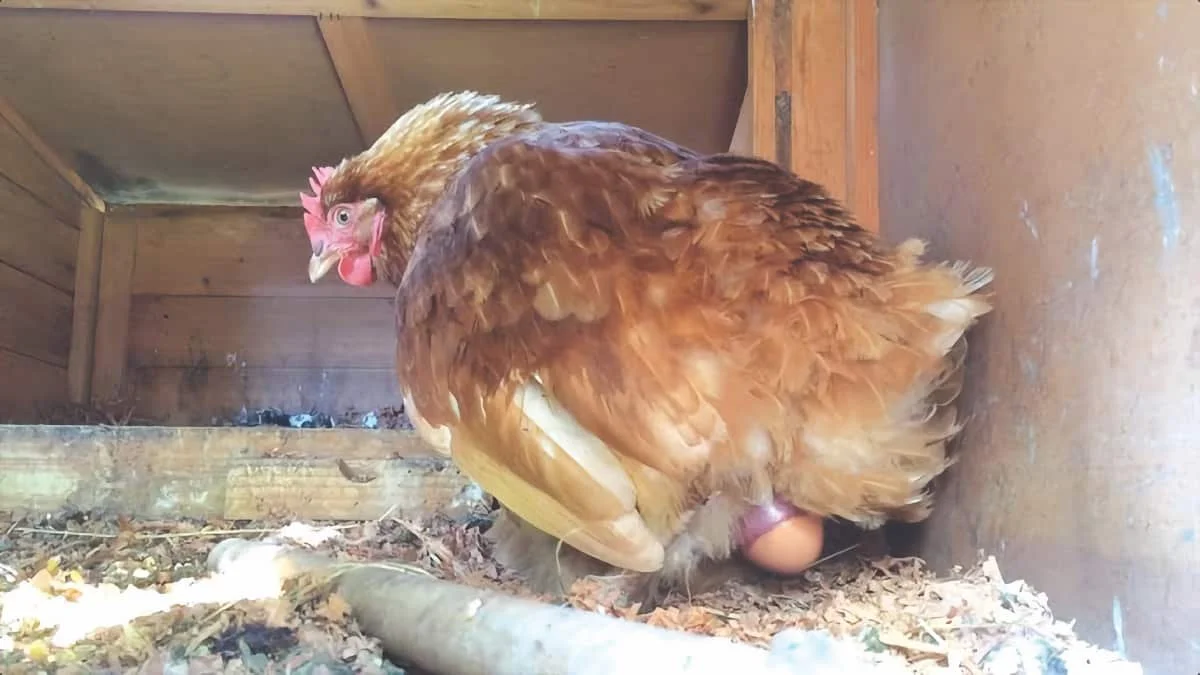
Eggs are an important part of our everyday diet, and they are pretty incredible. Inside a chicken’s body is a non-stop biological production line that operates consistently.
Three projects intended to deal with the canola disease verticillium stripe stand out among 11 research programs that a prairie growers consortium is funding this year.
From livestock handling and farm machinery to rail crossings and emergency planning, safety must remain a constant priority on Canadian farms.
Farmers have until March 31 to apply, reinstate, cancel or revise their Saskatchewan crop insurance contracts for the 2026 growing season.
A study assessing the potential to increase shipments through Churchill is expected to conclude by the end of March.
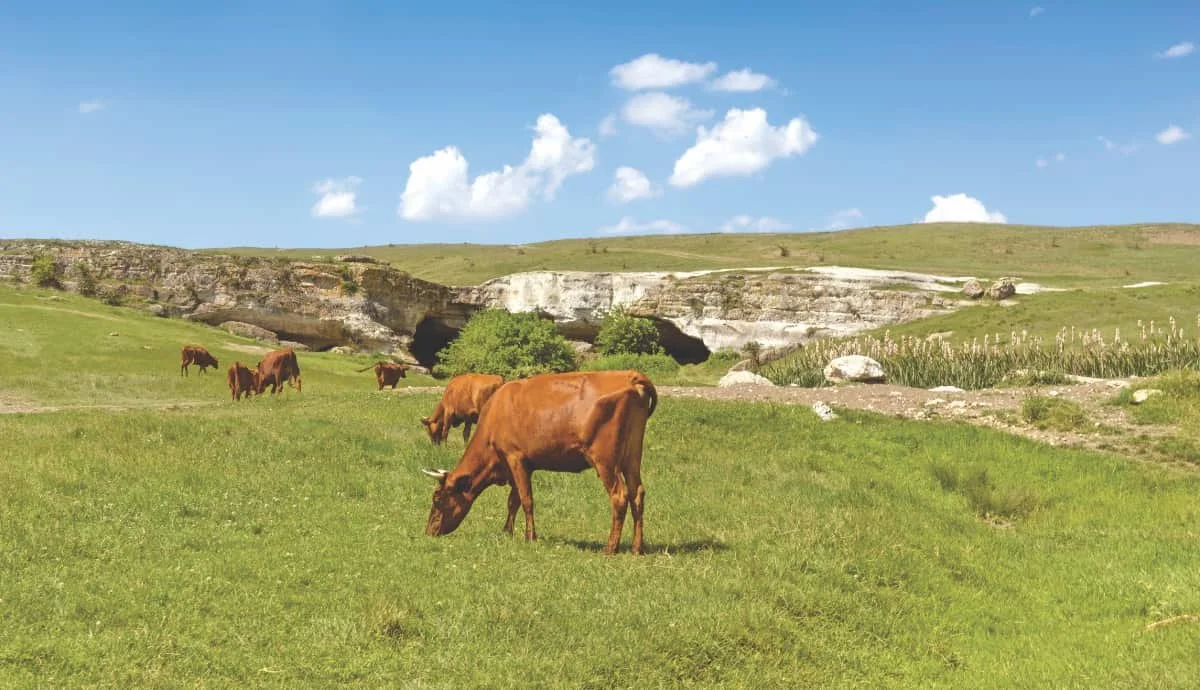
It’s been a year since our last agricultural feature – and what a year it’s been. The cattle industry is on fire – in the good way this time.
Canadian Agricultural Safety Week ran March 15 to 21, with organizers urging farmers, ranchers, workers and rural communities to make farm safety a year-round focus.
Canadian Prime Minister Mark Carney, accompanied by Premier Scott Moe, paid a successful visit to China in January. During the visit, the two sides issued a joint statement…
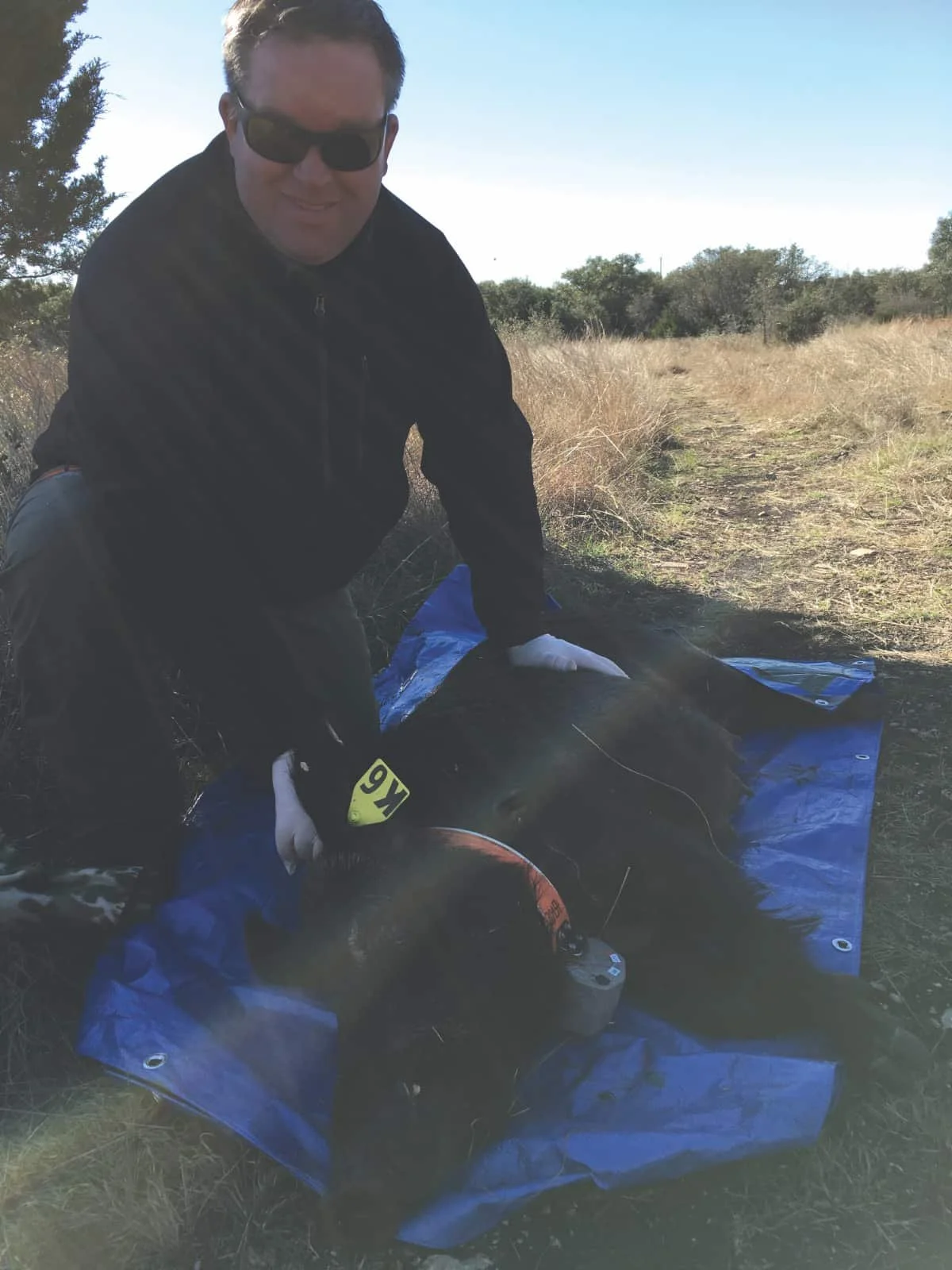
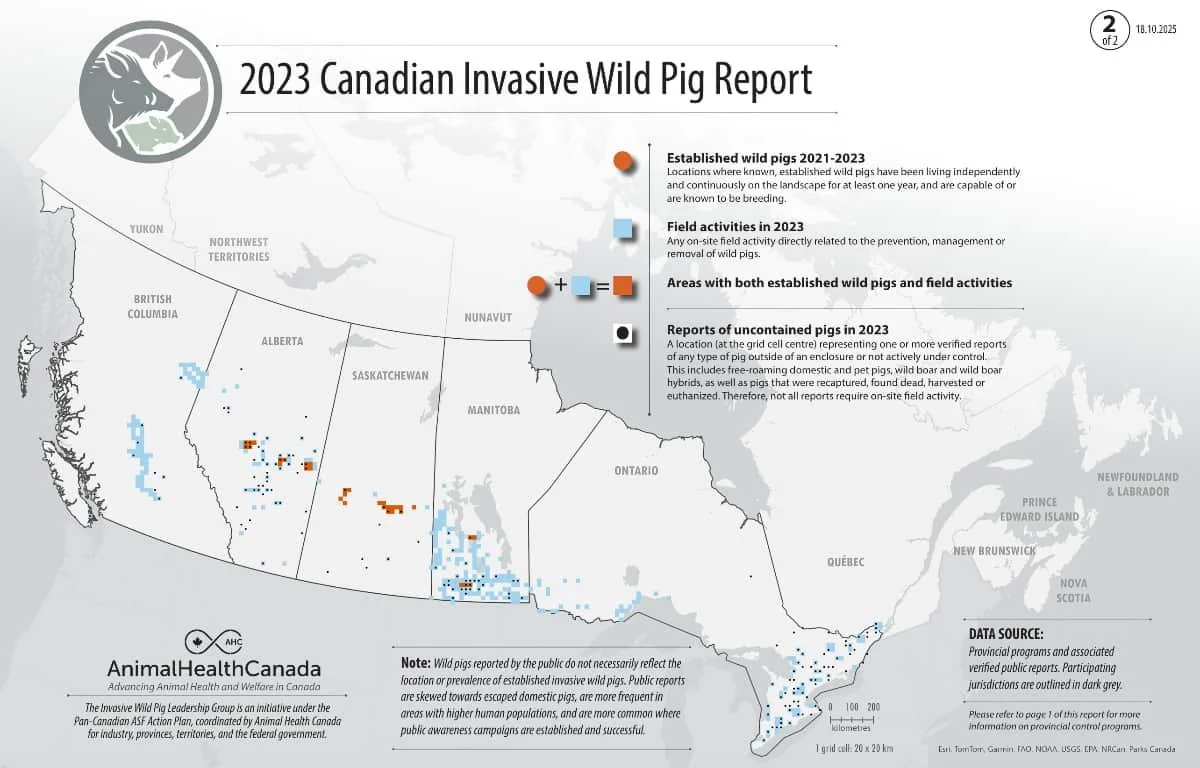
Canada’s wild pig problem may be more difficult to eradicate than some organizations acknowledge. Researchers studying the invasive species say populations continue to expand…
People, companies and other organizations assembled 635 million meals for Canadians in need during Farm Credit Canada’s Drive Away Hunger campaign.
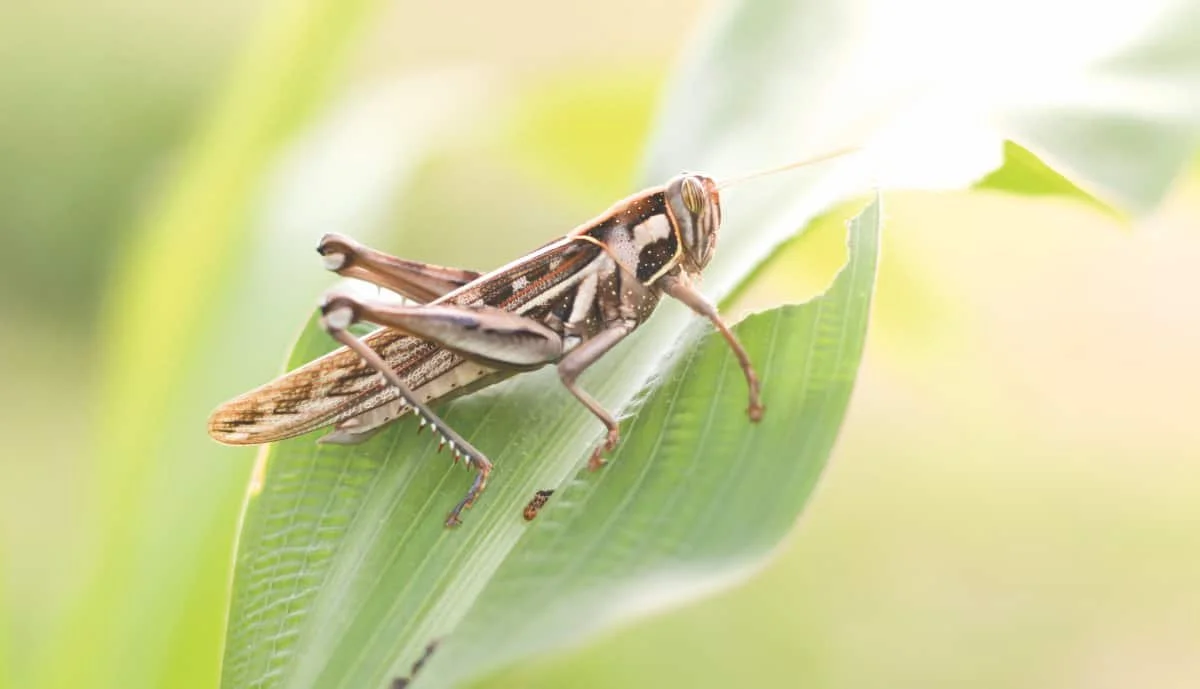
Workers found significant levels of grasshoppers in west-central Saskatchewan and strong populations of bertha armyworm moths and cabbage seedpod weevils in much of the province last year.
Agriculture in the Classroom Saskatchewan is marking the 15th annual Canadian Agriculture Literacy Month this March, connecting thousands of students with farmers…
The federal and provincial governments will continue to help pay for crop insurance, officials said on Friday.
ADAMA Canada has launched GORDEX™, a new liquid pre-seed herbicide for cereal crops that the company says was developed in response to years of grower feedback…
Almost 30 experts in plant research will work for five years help farmers deal with wild oats and kochia that stand up to herbicides.
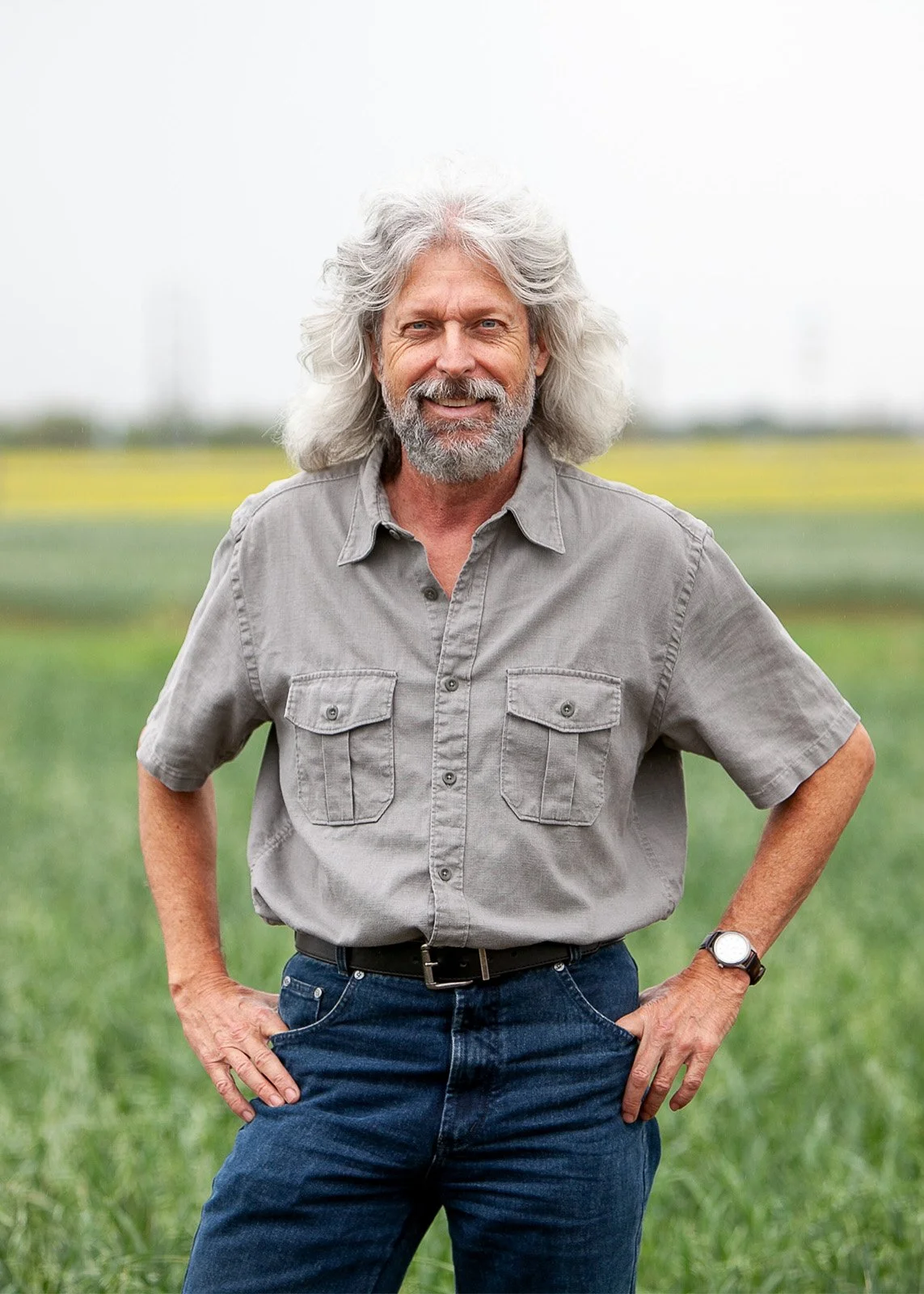
Jocelyn Velestuk now chairs the Saskatchewan Wheat Development Commission, also known as Sask Wheat.
The Crystal Springs 4-H Club is one of three west-central Saskatchewan clubs that received a grant from FCC for 2025.
Brome grass that’s easier to digest and a better test for a cattle disease are among the results officials expect from new livestock and forage research projects.
Stuart Lawrence cheered last week’s announcement of more work to find new methods of dealing with herbicide-resistant weeds.
Joe Kleinsasser of the Rosetown Hutterite Colony is among six people named to the Saskatchewan Agriculture Hall of Fame.
Stuart Lawrence will continue working on behalf of pulse farmers after his recent re-election.
Construction on a new fuel cardlock station on the town’s southeast edge should start in April. That’s according to a development permit that councillors approved…
West-central Saskatchewan farmers experienced a good crop year after an unpromising start.
Two agriculture organizations announced contributions to a University of Saskatchewan expansion project last June.
Have you ever heard of polyculture farming? This innovative practice involves growing a variety of crops together in the same space, mimicking the natural diversity found in ecosystems.
Researchers will explore the possibilities of turning existing buildings into “plant growth facilities” and try to determine ideal nitrogen rates for new oat varieties…