
How a hen’s body turns yolks into eggs
By Joan Janzen
Eggs are an important part of our everyday diet, and they are pretty incredible. Inside a chicken’s body is a non-stop biological production line that operates consistently. The egg’s journey begins as a microscopic cell.
Inside a hen’s body is a specialized reproductive system. Hens are born with two ovaries, but only the left ovary ever fully develops. This single ovary contains thousands of tiny yolks.
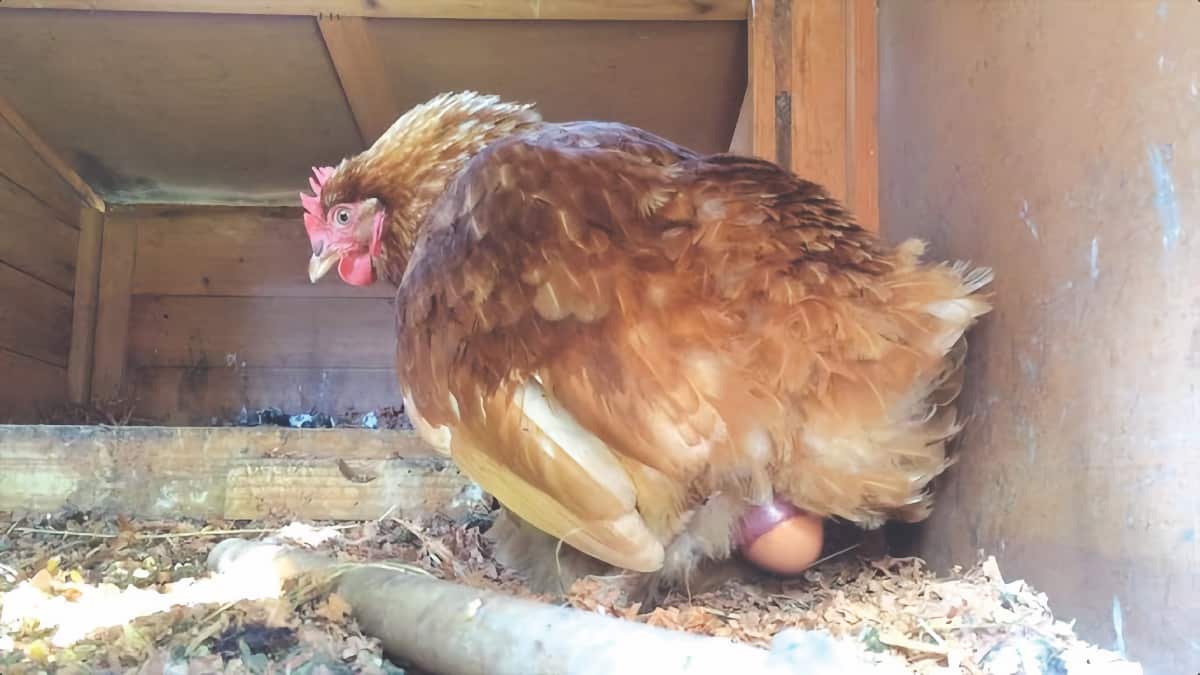
When a hen reaches adulthood, her body begins releasing these yolks one at a time, every 24 to 26 hours. Once released, a yolk enters a long, winding passage known as the oviduct, a 25- to 27-inch-long tubular organ where transformation begins. The yolk develops through five hormonally regulated sections and, over the course of the next day, slowly moves through the different parts of the tube.
At each section, a new layer is added. First comes the thick egg white around the yolk, then the protective inner and outer membranes, and finally the hard shell. At the end of this process, it looks exactly like the eggs we buy at the store. A rooster is only needed if the goal is to produce fertilized eggs.
Laying eggs every day has a lot to do with light, since chickens are incredibly sensitive to daylight. The timing of their egg-laying cycle is closely controlled by the light they experience. When sunlight reaches a hen’s eyes, it sends hormonal signals to her brain, instructing the ovary to release the next yolk. This explains why hens lay more eggs during spring and summer, when the days are long, and fewer during the shorter days of winter. Artificial light is often used to keep hens laying throughout the year by simulating the long days of summer.
Laying eggs frequently is far from effortless. Each eggshell is composed mostly of calcium, and producing one every day demands a constant supply of minerals and energy. To meet this need, a hen’s body draws calcium from her diet and, if necessary, even from her own bones. Hens require calcium-rich food.
As chickens grow older, their egg-laying declines. They begin producing fewer eggs, and after a few years they eventually stop laying altogether.