
Molasses: The Sweet Leftover with a Rich History
By Joan Janzen
A jar of molasses was a common ingredient in the household of every pioneer, primarily because it was an affordable sweetener compared to refined sugar. Children often ate bread with butter and molasses, which was high in iron, calcium, magnesium and potassium. However, many people don’t know how it is made.
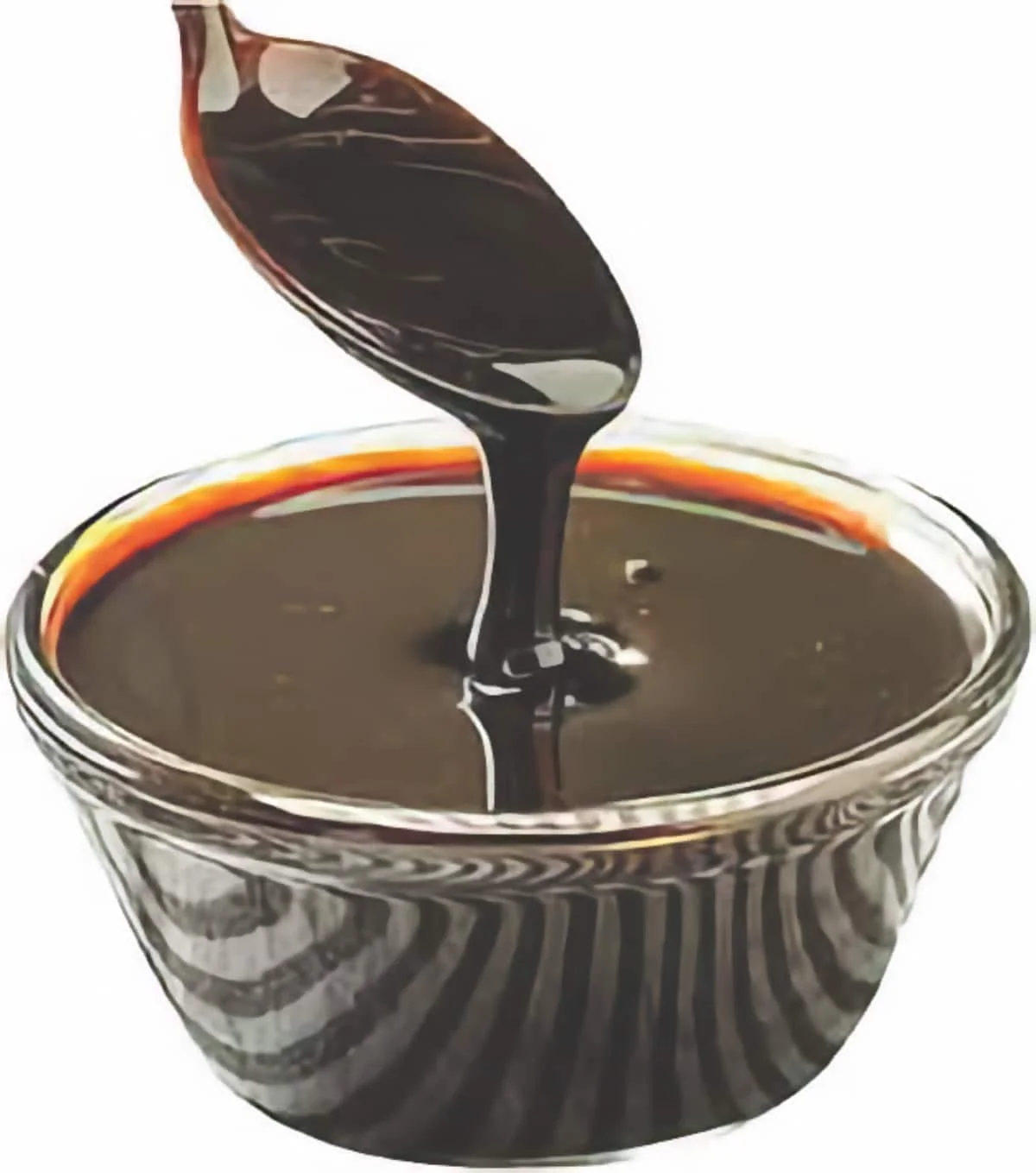
Molasses is actually the leftovers of the sugar industry, but the good kind of leftovers. Sugar cane is harvested and crushed to extract the juice, which is then boiled to evaporate the water. As the water disappears, sugar crystals begin to form. Those white crystals are removed to make table sugar, and a dark, thick liquid is left behind. This liquid contains the minerals and plant matter that did not turn into sugar crystals.
There are different types of molasses, depending on how many times it is boiled. The first boil produces light molasses, which is sweet and mild. The second boil produces dark molasses, which is thicker, less sweet and gives gingerbread its signature taste. The third boil produces blackstrap molasses. At this point, most of the sugar has been removed, producing blackstrap molasses, which is bitter, thick and packed with iron and calcium.
It’s the healthiest part of the plant.
Molasses attracts and holds onto water molecules from the air, so when added to cookies it locks in moisture. The secret ingredient in brown sugar is molasses. In fact, brown sugar is simply refined white sugar with molasses added back in, so you can make your own brown sugar by mixing one tablespoon of molasses with one cup of white sugar. Brown sugar becomes hard if exposed to air because the molasses in it absorbs moisture.
An interesting bit of history occurred in 1919. During the First World War, large quantities of molasses were used to produce industrial alcohol (ethanol) for manufacturing explosives like TNT. An industrial alcohol company fermented imported molasses, turning it into a key ingredient for munitions. In January 1919, the Boston Molasses Flood occurred when a storage tank suddenly burst. A 40-foot-high wave of syrup surged through the streets at speeds of up to 35 miles per hour, destroying buildings and claiming 21 lives.
Those are just a few interesting facts about molasses that you may not have known.