
Indoor agriculture getting a look
EAGLE STAFF
Researchers will explore the possibilities of turning existing buildings into “plant growth facilities” and try to determine ideal nitrogen rates for new oat varieties, among six “strategic field program” projects starting this year.
The projects won approval at the end of January and the federal and provincial governments later publicized them and 32 other projects approved last year under the Agriculture Demonstration of Practices and Technologies (ADOPT) program. Altogether, researchers are receiving over $1.4 million through the governments’ agriculture program.
“Research is at the root of how we grow the sector and strengthen Canada’s position as a world leader when it comes to agriculture,” said Heath MacDonald (Lib-Malpeque, P.E.I.), the federal agriculture minister. “These projects will help get best practices directly into the hands of farmers and processors in Saskatchewan and keep them on the cutting edge.”
“By investing in demonstration and knowledge-transfer projects, we are ensuring the long-term sustainability and competitiveness of Canada's agricultural sector,” added Daryl Harrison, his Saskatchewan counterpart.
One program helps producer groups and First Nations communities evaluate and demonstrate new agricultural practices and technologies locally, especially practical, short-term research projects that farmers can use soon. Several of them will be on display this summer.
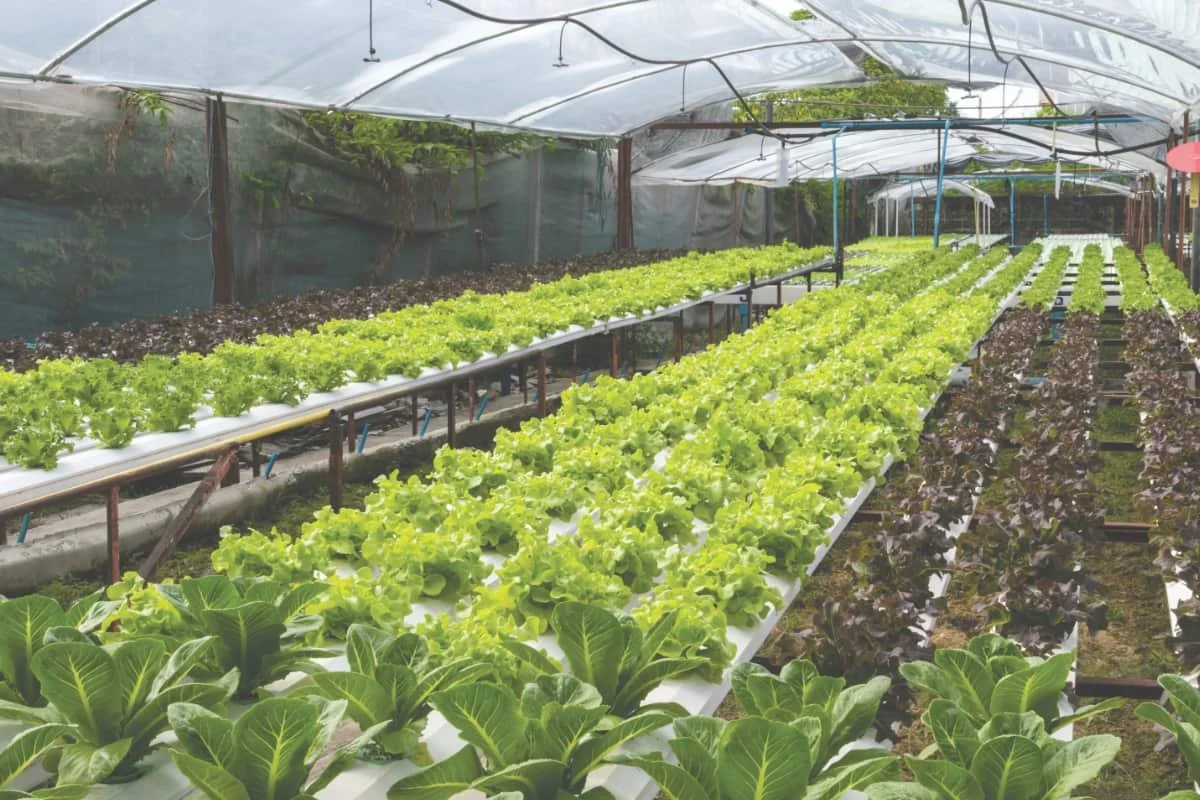
Shawn Clark, with the National Research Council of Canada in Saskatoon, is to evaluate the feasibility of retrofitting buildings into year-round greenhouses and comparing “their effectiveness with other types of controlled-environment agriculture systems, including modular farms and modified shipping container-based growth facilities,” a document says.
Brianne McInnes, who directs the Northeast Agriculture Research Foundation at Melfort, heads work to “demonstrate suitable nitrogen rates for new oat varieties with higher yield potential in different soil and climatic zones within the province,” the document said.
Other projects include seeing if grasshoppers would rather not dine on “five common annual forages in southern Saskatchewan” and see if certain nematodes prey on root maggots in vegetables.