
Polyculture farming: embracing diversity
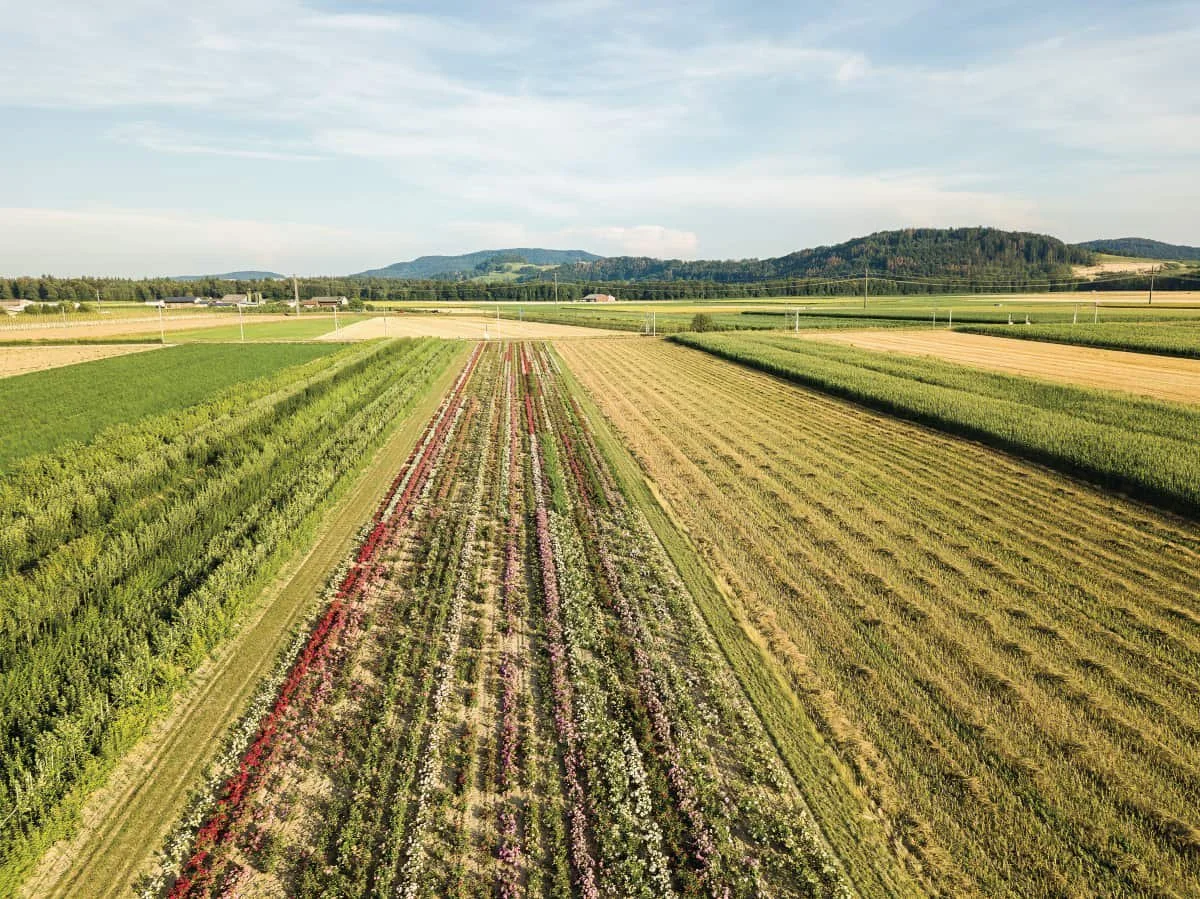
Have you ever heard of polyculture farming? This innovative practice involves growing a variety of crops together in the same space, mimicking the natural diversity found in ecosystems. Unlike monoculture farming, which focuses solely on maximizing yield, polyculture prioritizes ecological health and balance. Here’s an overview.
Resilience to pests and diseases
One of the main advantages of polyculture is its ability to enhance biodiversity. By planting a mix of different crops, farmers create a vibrant ecosystem that attracts beneficial insects and wildlife. This natural balance helps deter specific pests, as they often prefer certain host plants.
Improved soil health and fertility
Polyculture also promotes better soil health. Many polyculture systems include perennial crops with deep roots that help stabilize soil structure, prevent erosion and improve water retention. Each crop has unique nutrient needs, and rotating various plants helps the soil recover resources and maintain fertility. For example, legumes like soybeans support a soil-enriching process called nitrogen-fixation, converting this vital gas into a usable form essential to plant growth.
Environmental stewardship
Polyculture supports sustainable farming practices that not only focus on producing food but also prioritize caring for the environment and mitigating the effects of climate change. Farmers who practice polyculture can adapt more effectively to climate challenges and pest pressures while providing diverse food options for their communities.