
Rosetown council votes to keep utility rates steady for 2026
By Ian MacKay
The town is keeping utility rates at the current level for another year, councillors decided during their Dec. 1 meeting.
Mayor Trevor Hay suggested “a freeze on the cost of water” for the year and that council review the rates during 2026. Councillors had seen a proposed three-year bylaw with annual increases at an earlier meeting.
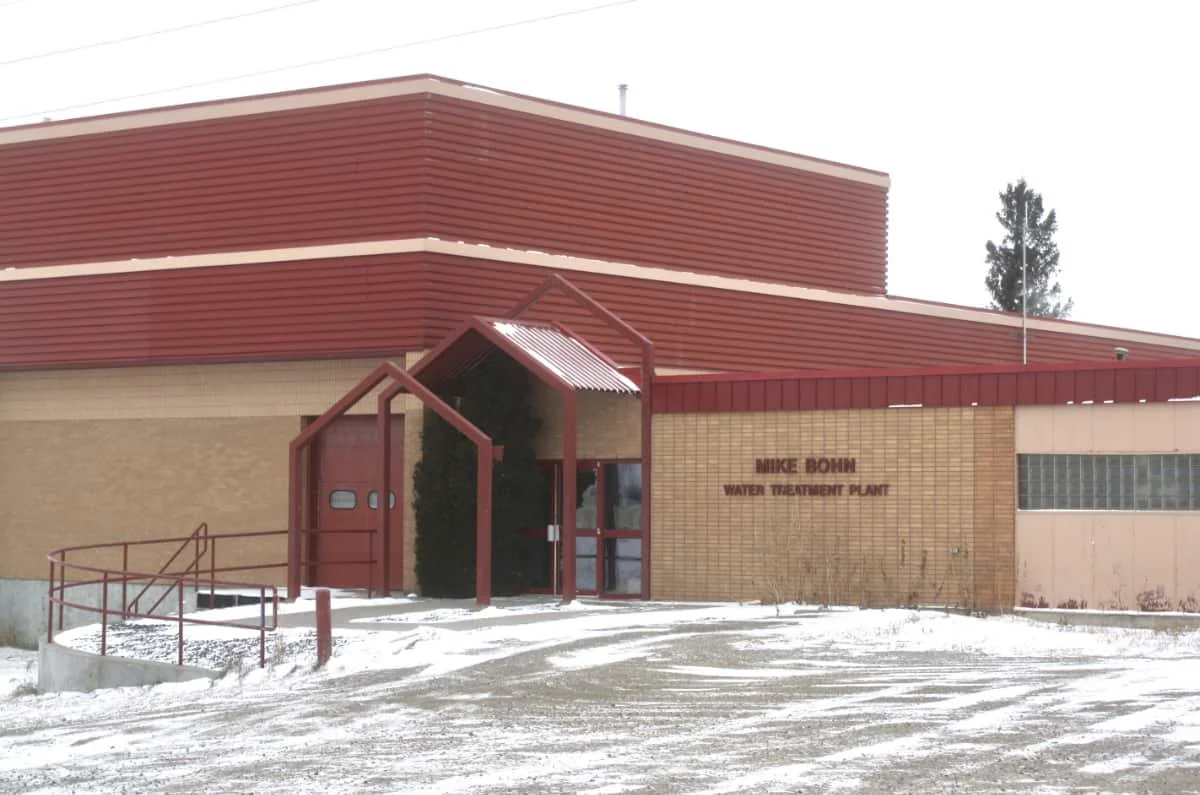
Town council has decided to keep utility rates at their 2025 level for another year but increases in the future may go towards upgrading the water treatment plant at an estimated cost of $10 million within about a decade. Photo by Ian MacKay
The mayor thought rates might have been set on a “cost recovery” basis, but council has been informed the town should be raising money to replace or upgrade the water treatment plant. Some of any increase could go toward that.
“A lot of discussion needs to be had” on how to pay for replacing the treatment system, Hay said. The usable life of the existing plant is pegged at eight to 10 more years, and a rough estimate of the potential cost is $10 million.
Hay projected having pilot projects to assess types of treatment systems and their costs to “have a plan in place” to use for a grant application. “You have to have a shovel-ready project” to apply for a federal-provincial grant, Hay said.
Current rates covered the 2024 treatment expenses, including water used by the town at the AGT Centre and elsewhere, said Amanda Bors, the acting chief administrator.
“There’s a lot of unaccounted-for water in there, as well,” Bors said.
The town doesn’t pay the bill for water used to flush sewers, clean streets, fill the swimming pool, or flood the arena ice surface, said Bob Bors, the public works superintendent.
Utility earnings cover the interest on what the town owes for the sewage lift installed in St. Andrews Park but none of the principal, nor the $200,000 per year the town spends to install liners in sewers, Bob Bors said.
Hay also suggested publicizing how the town spends the $300 infrastructure fee that property owners pay.
“Multiple years” of that fee’s receipts went toward covering the town’s one-third share of the lagoon expansion project, Bob Bors said. It cost about $2 million.
“Our costs are high because of our circumstances,” Hay said. “We need to bring the water up from (wells at) Eagle Creek to our water treatment plant. We have hired professionals there to treat the water.”
He said that Shaunavon has wells within town limits and indicated it treats water with ultraviolet light. That community’s “costs are low because they don’t have all this processing going on,” Hay said.
“With an upgrade, can we produce a better quality of water?” he also wondered.
The town is “sitting pretty good” in terms of wells, Bob Bors said. “Once we do an upgrade, we’ll be able to bring one well that’s already developed online that our current plant has trouble treating,” he said. Another unused well also produces low-quality water that an upgraded system could treat, he added.
The wells reach the Bearclaw aquifer. Hay asked about tapping the Judith River aquifer, but Bob Bors said wells into it are mostly “low-volume wells.” The well the town mainly uses can produce about 32 litres per second, he indicated.