
Refugee’s journey from Iran to Saskatchewan fuels call for global peace
By Ian MacKay
Mahnaz Robertson wants people around the world to rethink how they approach peace.
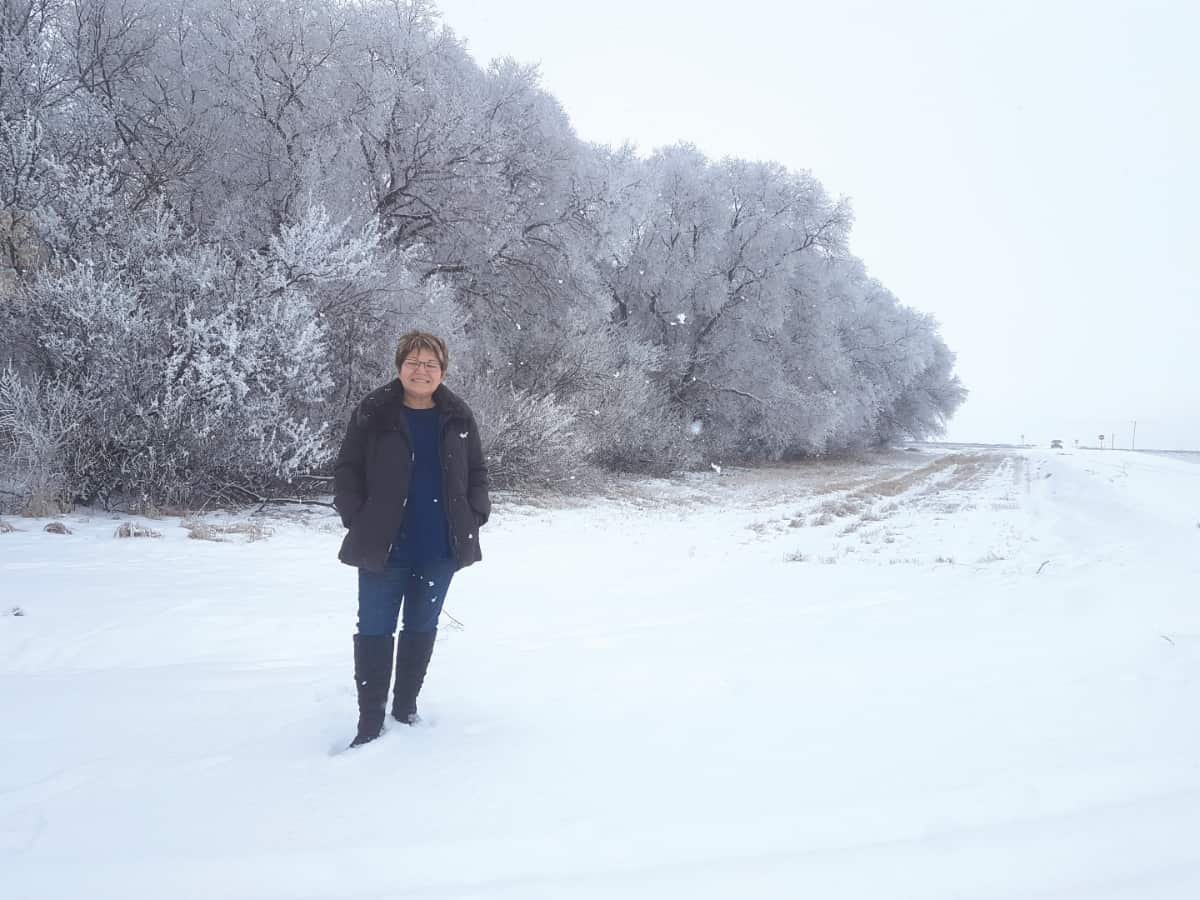
The former Zealandia resident, now living in Saskatoon, came to Saskatchewan in 1982 after fleeing Iran in the wake of the Iranian Revolution. She says persecution of Bahá’í people intensified following the upheaval, forcing her family to make difficult decisions for their safety.
Robertson still has extended family in Iran but has had no contact with them since the government shut down internet access during recent protests. Previously, she stayed in touch through social media and occasional phone calls. Now, she says, uncertainty has replaced those connections.
She describes ongoing hardships faced by her relatives, including attacks on their homes and restrictions that prevent younger family members from attending university or holding government jobs.
Fearing for their safety, Robertson’s parents sent her and two brothers to the Philippines in 1979, where they spent three years unable to study or work while receiving troubling news about the treatment of Bahá’ís in Iran.
When Canada accepted them, Robertson arrived in Saskatchewan at age 21. She recalls her first impressions of the Prairies during a bus trip to Swift Current, struck by the vast landscape and the unfamiliar quiet.
Despite language barriers, she found work cleaning in a restaurant, walking 40 minutes each way from the basement apartment she shared with her family. The work was difficult, but she saw it as a turning point.
That same year, she met her future husband, Archie. With limited shared language, she communicated through photographs and gestures, building a relationship rooted in resilience and mutual respect.
Over time, Robertson learned English, raised a family, opened a licensed daycare and later spent more than 20 years working as an account manager and lending officer at a credit union. She also became deeply involved in her community, volunteering for more than 25 years with the Southwest Multicultural Association, supporting newcomers and teaching English.
Her experience shaped her commitment to helping others adjust to life in Canada.
Robertson says Canada provided safety, dignity and opportunity, not only for her but for her children, who have gone on to careers as a doctor, engineer and pharmacist.
However, she remains concerned about those still facing persecution abroad. She points to ongoing hardships for Bahá’í refugees in Turkey and reports of imprisonment and abuse of individuals in Iran.
Robertson believes meaningful change will not come from political shifts alone.
Instead, she says, people need a broader change in thinking.
“I think we are realizing we are all the same,” she said. “We all have the right to live in peace and harmony.”
Her reflections were prompted by current events in Iran and her own journey to Saskatchewan, where she says communities like Rosetown played a key role in helping her rebuild her life.