
Canola tariff upsets Sask
EAGLE STAFF
China’s imposition of a tariff on raw canola united Canadian politicians.
Politicians and agricultural leaders from Saskatchewan met with Heath MacDonald, the federal agriculture minister, and other officials in August over the 75.8 per cent “preliminary anti-dumping duty,” a federal statement said. The duty took effect on Aug. 14.
Premier Scott Moe led a trade mission to China and other countries in early September.
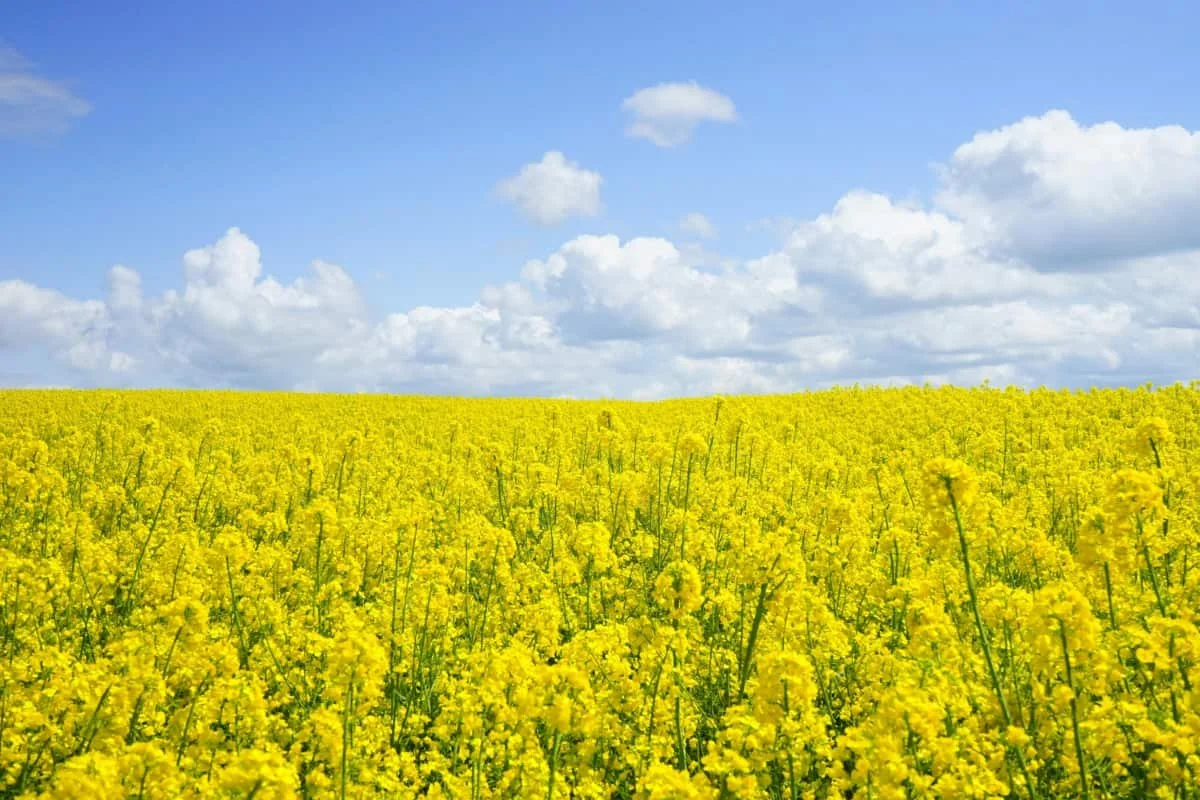
“We agreed on the importance of working together to ensure fair market access for the canola industry and engaging in constructive dialogue with Chinese officials to address each other's respective trade concerns,” MacDonald said in a statement.
“Our discussion also touched on support options for producers, including the government's suite of business-risk management (BRM) programs and how Canada is developing a comprehensive industrial strategy to help businesses develop new export opportunities in international markets,” MacDonald said.
"Saskatchewan has expressed urgency to the federal government and been clear that we need to see action now to support the over 200,000 people across Canada's canola industry," Moe said in another statement. The trade mission was intended to discuss the duties with Chinese leaders “before it's too late,” Moe said.
China earlier imposed a duty of 100 per cent against canola oil and meal, apparently in response to Canada’s duties against Chinese-made electric vehicles. Those were imposed in conjunction with the United States, due to China’s allegedly heavy subsidization of the electric-vehicle industry.
“Saskatchewan is one of the largest canola producers in the world, supporting thousands of jobs and driving economic growth across Canada,” Moe said on Thursday after the meeting with MacDonald. “As a province that exports nearly 70 per cent of everything we produce, we will continue to champion free and fair global trade.”
"Farmers are being used as a pawn in the current geo-political environment,” Dean Roberts, who chairs SaskOilseeds, said in the Saskatchewan statement. “Unprecedented market closure amidst an already stressful time of year has a compounding adverse effect on farmers," said Coleville’s Roberts, adding that the talk in Ottawa that day focused “on practical solutions that could be activated to support farmers' livelihood in the short term."
The trade mission also visited Japan and South Korea.
Saskatchewan provided more than half of the almost $5-billion worth of canola seed, oil and meal that China bought from Canada in 2024, the province’s statement said. “Saskatchewan produces 55 per cent of Canada’s canola and accounts for 21 per cent of global canola oil exports,” it noted.
Agricultural Producers of Saskatchewan (APAS) president Bill Prybylski urged federal leaders to “consider all implications” in conducting a review of the electric vehicle measure. The Prybylski statement added that China's anti-dumping investigation into Canadian pea starch also represents “a substantial blow to Saskatchewan’s agricultural sector.”
The Chinese tariff represents “a complete blindside in the middle of harvest,” Gunter Jochum, president of the Western Canadian Wheat Growers Association, said in mid-August. “For Western Canadian farmers, canola is our flagship crop. Losing China at this moment is like pulling the rug out from under us when we’re already running full tilt.”
Jochum said that “Prairie farmers have been collateral damage in Ottawa’s trade fights” too often, adding, “We need a national trade strategy that defends all sectors equally, not one that uses us as a bargaining chip.”