
Big-game disease tests free
EAGLE STAFF
Hunters successful in taking deer, elk, and moose in Saskatchewan’s boreal transition zone should submit the animals’ heads for free disease testing.
Staff with the provincial Environment Department are seeking heads from along the eastern border and the transition zone to determine the spread of chronic wasting disease (CWD). They also want to ensure that bovine tuberculosis has not reached the province, a statement indicated.
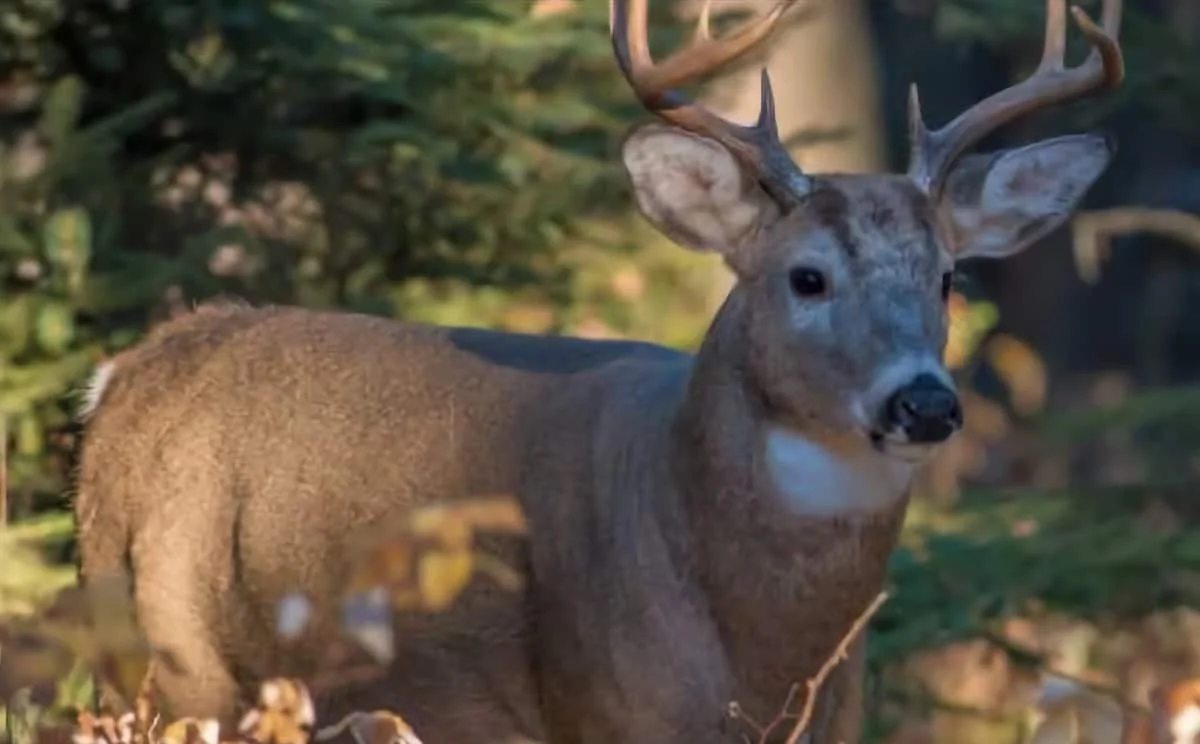
The boreal transition zone stretches diagonally across Saskatchewan, roughly from Meadow Lake to Kamsack.
“In the last year, we received more than 2,000 submissions to the CWD hunter surveillance program — proof of just how dedicated the hunters of Saskatchewan are to protecting wildlife in this province,” said Travis Keisig, the environment minister.
CWD is a fatal, contagious neurological disease with no known cure that affects cervids such as deer, moose, and elk. This year, testing for the disease is mandatory in wildlife management zones 43, 47, 50, and 55. Bovine TB testing is mandatory in zones 37 and 39.
Elsewhere in the province, CWD testing for all cervids is voluntary but encouraged, the statement said. Data from submitted heads “helps track CWD rates in wild cervids and confirms that wildlife populations remain free of bovine TB,” it noted.
Hunters have a month from the time of harvest, or until Jan. 21, whichever comes first, to submit heads. They may register online at cwdsk.ca to get a unique tracking number, then leave the head at any drop-off location.
See saskatchewan.ca/cwd for drop-off locations, sampling instructions, and test results.
Hunters in bovine TB testing zones who want to keep heads for a Euro mount may visit sampling stations on certain dates.
While there are no known cases of CWD in humans and the risk of transmission is considered low, people should not eat or share meat from animals that test positive.
In such cases, the carcass and meat should be properly disposed of, either by double-bagging small amounts and putting them in regular household waste, or by taking larger quantities—or the entire carcass—to a landfill or an Environment Department carcass disposal bin.